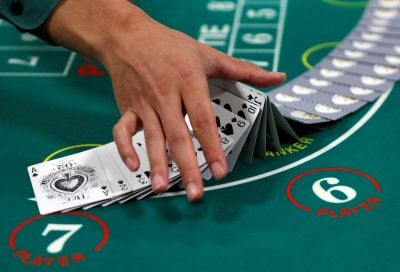
Voor nieuwe spelers die de opwindende wereld van online gokken willen verkennen, zijn de top 10 online casino’s in België de ideale keuze. Deze casino’s bieden een veilige, gereguleerde omgeving met aantrekkelijke bonussen en een breed scala aan spellen, waaronder de online casino belgië lijst voor de beste opties. Met een focus op de behoeften van Belgische spelers, zorgen ze voor een unieke speelervaring. Dit artikel behandelt de belangrijkste aspecten van online casino’s in België, van bonussen en spellen tot uitbetalingen en veiligheid.

Hoe bonussen, spellen en uitbetalingen de ervaring vormgeven
Bij het kiezen van een online casino is het essentieel om te begrijpen hoe bonussen, het spelaanbod en uitbetalingen de algehele speelervaring beïnvloeden. Een aantrekkelijk welkomstpakket kan nieuwe spelers aantrekken en hen in staat stellen om verschillende spellen uit te proberen zonder veel risico. Bovendien is het spelaanbod een belangrijke factor; van klassieke tafelspellen tot innovatieve videoslots, een gevarieerd aanbod houdt spelers betrokken. Tot slot is de snelheid en betrouwbaarheid van uitbetalingen cruciaal. Casino’s die snelle en veilige uitbetalingen aanbieden, winnen het vertrouwen van hun spelers.
De top 10 online casino’s in België in 2026 bieden indrukwekkende welkomstbonussen tot wel 400% tot 15.000 €, evenals 300 gratis spins. Dit soort aanbiedingen stelt nieuwe spelers in staat om hun avonturen te beginnen met een solide financiële basis. Het is bovendien belangrijk te kijken naar de beschikbare spellen, die vaak een breed scala aan opties bieden voor alle soorten spelers.
Hoe je aan het spelen kunt beginnen
Voor nieuwe spelers kan het starten met online gokken een beetje overweldigend zijn. Hier zijn enkele stappen die je kunt volgen om eenvoudig aan de slag te gaan:
- Maak een account aan: Ga naar het gekozen online casino en registreer jezelf door het invullen van de benodigde gegevens.
- Verifieer je gegevens: Volg de instructies om je account te verifiëren, zodat je veilig kunt spelen.
- Maak een storting: Kies een betaalmethode en stort een bedrag om te beginnen met spelen. Veel casino’s hebben flexibele stortingsmogelijkheden.
- Kies je spel: Blader door het spelaanbod en kies een spel dat je aanspreekt, of het nu gaat om slots, blackjack of roulette.
- Begin met spelen: Start je gokavontuur en geniet van de spanning van het spel!
- Gemakkelijk registratieproces voor nieuwe spelers
- Toegang tot aantrekkelijke bonussen vanaf de eerste storting
- Veilige en snelle stortingsmethoden
Praktische details voor een optimale spelervaring
Bij het kiezen van een online casino is het belangrijk om praktische details te overwegen die de speelervaring aanzienlijk kunnen verbeteren. Een overzichtelijke interface helpt spelers om eenvoudig te navigeren en snel de gewenste spellen te vinden. De meeste casino’s hebben ook een sectie met veelgestelde vragen, waarin spelers antwoorden kunnen vinden op hun vragen zonder dat ze contact hoeven op te nemen met de klantenservice. Dit bespaart tijd en maakt het speelproces aangenamer.
- Goed georganiseerde website die makkelijk te gebruiken is
- Uitgebreide klantenservice beschikbaar via chat en e-mail
- Persoonlijke voorkeuren kunnen worden ingesteld voor een betere spelervaring
Daarnaast is het cruciaal dat de casino’s in België voldoen aan strenge regelgeving en licenties. Dit geeft spelers gemoedsrust dat ze met een betrouwbare en veilige operator spelen.
Belangrijke voordelen van online casino’s
De voordelen van het spelen bij online casino’s zijn talrijk. Naast de aantrekkelijke bonussen en het uitgebreide spelaanbod, zijn er ook andere factoren die bijdragen aan de aantrekkingskracht van online gokken. Spelers kunnen genieten van de flexibiliteit om te spelen wanneer het hen uitkomt, zonder zich aan openingstijden te hoeven houden. Bovendien kunnen spelers vanuit het comfort van hun eigen huis spelen, wat de algehele ervaring nog aangenamer maakt.
- Toegang tot een breed scala aan spellen op elk moment van de dag
- Gemakkelijk te vergelijken met andere casino’s voor de beste aanbiedingen
- Veilige en anonieme speelomgeving
- Mogelijkheden voor live dealer spellen voor een authentieke ervaring
Vertrouwen en veiligheid in online gokken
Veiligheid is een van de belangrijkste overwegingen voor spelers die online gokken. De top online casino’s in België zijn streng gereguleerd en beschikken over de benodigde licenties, wat betekent dat ze voldoen aan de hoogste normen voor eerlijkheid en veiligheid. Dit zorgt ervoor dat spelers zich geen zorgen hoeven te maken over de integriteit van de spellen of de veiligheid van hun persoonlijke en financiële gegevens.
Bovendien geven deze casino’s prioriteit aan verantwoord gokken. Ze bieden hulpmiddelen en ondersteuning voor spelers die hulp nodig hebben bij het beheersen van hun speelfrequentie of -gedrag. Het is essentieel dat spelers zich bewust zijn van hun gokgewoonten en de beschikbare hulpbronnen gebruiken indien nodig.

Waarom kiezen voor de beste online casino’s in België
De top online casino’s in België bieden een ongeëvenaarde speelervaring voor nieuwe spelers. Met aantrekkelijke bonussen, een breed scala aan spellen en een sterke focus op veiligheid, zijn deze casino’s ideaal voor iedereen die de wereld van online gokken wil betreden. Of je nu een fan bent van slots, tafelspellen of live dealer spellen, er is voor ieder wat wils. Begin vandaag nog en ontdek de opwindende mogelijkheden die deze casino’s te bieden hebben. Met de juiste keuze maak je je gokervaring niet alleen leuker, maar ook veiliger!
Neem de tijd om de verschillende aanbieders te vergelijken en kies degene die het beste bij jou past. Met de juiste informatie en begeleiding ben je goed op weg naar een plezierige en veilige online speelervaring.