
Understanding the signs of gambling addiction A crucial guide to awareness
What is Gambling Addiction?
Gambling addiction, also known as compulsive gambling, is a behavioral disorder that leads individuals to engage in excessive gambling activities, despite the negative consequences. This addiction can affect anyone, regardless of age, gender, or socioeconomic status. It typically stems from a combination of genetic, environmental, and psychological factors, making it a complex issue that requires careful understanding and awareness. In Canada, many players explore options such as best online casino canada that offer fast payouts, reflecting the growing trend of online gaming.
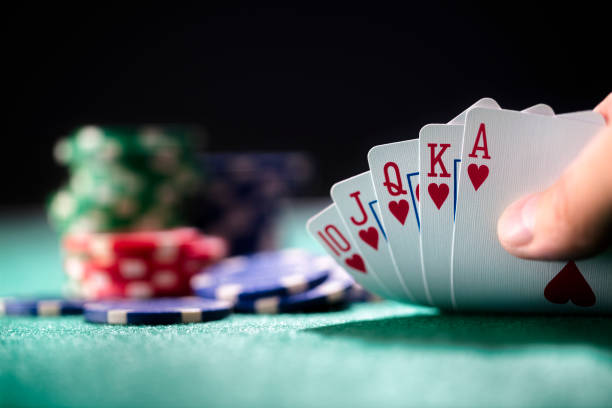
Those struggling with gambling addiction often find themselves caught in a cycle of chasing losses. This means they may continue to gamble in hopes of recovering what they have lost, leading to deeper financial distress and emotional turmoil. The compulsion to gamble can overshadow responsibilities and relationships, ultimately impacting one’s quality of life.
Signs and Symptoms of Gambling Addiction
Identifying the signs of gambling addiction is crucial for early intervention. Common symptoms include preoccupation with gambling, where individuals constantly think about betting or planning their next gambling activity. Additionally, they may feel a strong urge to gamble more money after losing, which indicates a deepening dependence on the activity.
Another key sign is the neglect of personal and professional responsibilities. Gamblers may miss work or important events, driven by the need to gamble. Emotional symptoms can also manifest, including feelings of guilt or anxiety after gambling. Recognizing these signs early can help individuals seek the necessary support and intervention.
The Impact of Gambling Addiction
The repercussions of gambling addiction extend beyond the individual, affecting families and communities. Financially, addicted individuals may face severe consequences such as bankruptcy, loss of employment, and legal issues stemming from unpaid debts or fraudulent activities. These financial challenges can create a ripple effect, leading to strain on family relationships and community resources.
Emotionally, those affected often experience feelings of isolation and depression. They may withdraw from social activities, creating a cycle of loneliness that exacerbates the addiction. Understanding the broader impact of gambling addiction is essential for fostering empathy and encouraging supportive environments for recovery.
Seeking Help and Treatment Options
Finding effective treatment for gambling addiction involves various approaches. Professional counseling, such as cognitive-behavioral therapy, can help individuals understand the triggers of their gambling behavior and develop healthier coping strategies. Support groups, like Gamblers Anonymous, provide a platform for sharing experiences and receiving encouragement from peers who understand the struggle.
Additionally, some individuals may benefit from medication, particularly if they have co-occurring mental health issues such as depression or anxiety. Combining different treatment methods can often yield the best outcomes, allowing individuals to reclaim their lives from the grips of addiction.

Awareness and Resources for Support
Raising awareness about gambling addiction is vital in combating this issue. Many organizations provide resources, hotlines, and educational materials to help individuals and families understand the signs of addiction and the importance of seeking help. Community outreach programs can also facilitate discussions and workshops aimed at promoting healthier gambling habits.
For anyone looking to learn more about gambling addiction and the available support systems, numerous websites and helplines offer vital information. These resources can help guide individuals towards recovery, ensuring they do not have to face this challenge alone. Awareness is the first step towards prevention and healing, emphasizing the importance of community and support in overcoming gambling addiction.