
Exploring cultural views on gambling across different societies
The Historical Context of Gambling
Gambling has existed for centuries, tracing back to ancient civilizations where it was intertwined with cultural practices and societal norms. In places like Mesopotamia and ancient China, gambling was often associated with rituals and entertainment, reflecting the values and beliefs of the time. Such historical perspectives highlight how gambling was not merely a pastime but also a reflection of social structures and community relationships. Today, many enthusiasts are drawn to platforms such as the Longfu 88 gambling site, which cater to modern tastes and preferences.
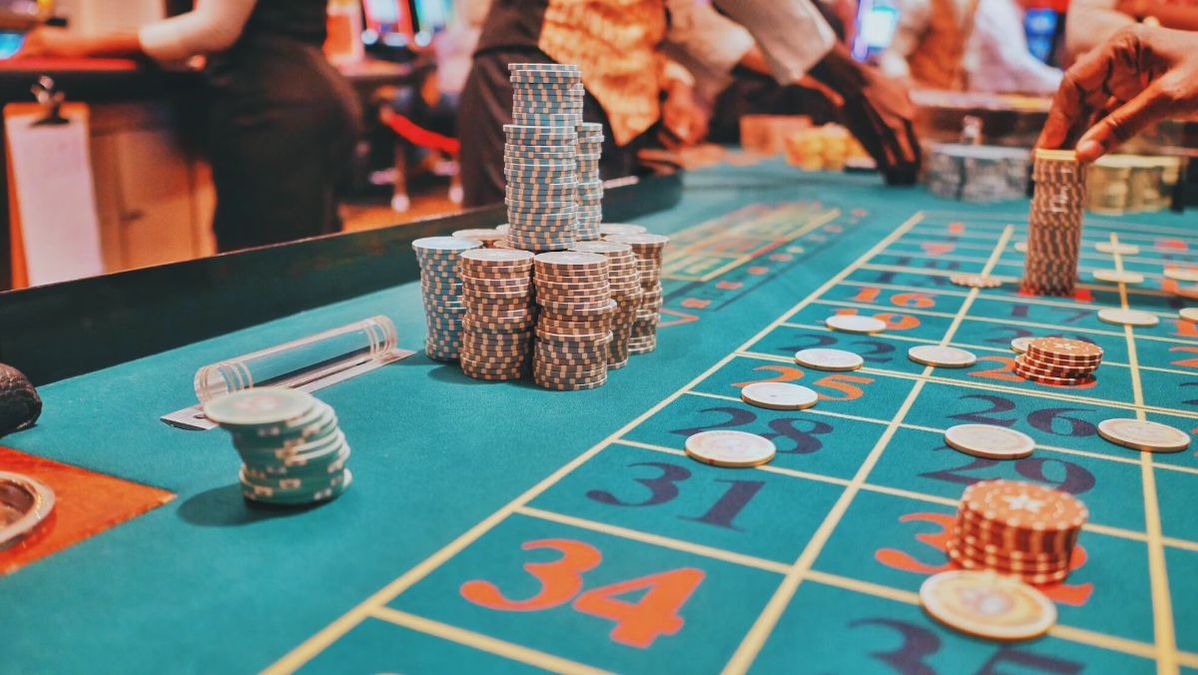
As societies evolved, the perception of gambling shifted, with various cultures imposing restrictions or legalizing it depending on their economic and moral standings. This evolution has influenced modern gambling laws and practices, allowing us to see how historical sentiments continue to shape contemporary views.
Cultural Attitudes Towards Gambling
Cultural attitudes toward gambling vary widely across the globe. In some societies, such as in many parts of Asia, gambling is seen as a traditional practice, often associated with luck and fortune. Events like the Lunar New Year in China feature gambling as a way to invite prosperity and good luck, demonstrating how cultural beliefs can elevate gambling beyond mere risk-taking.
Conversely, in more conservative societies, gambling may be viewed negatively, associated with moral decay or social vice. This dichotomy showcases how deeply embedded cultural values influence the acceptance and practice of gambling within different communities.
Religious Perspectives on Gambling
Religion plays a significant role in shaping opinions on gambling. In many Western religions, such as Christianity, gambling can be frowned upon, often viewed as a temptation leading to greed and irresponsibility. This perspective can lead to stricter regulations in regions influenced by these faiths, where gambling is either heavily restricted or entirely prohibited.
In contrast, certain indigenous and folk beliefs might incorporate gambling into their rituals and traditions, viewing it as a communal activity that fosters social bonds. This illustrates how religious narratives can either condemn or embrace gambling based on cultural contexts.
The Economic Impact of Gambling on Societies
The economic implications of gambling are profound, affecting everything from local economies to national revenues. In many regions, legalized gambling generates significant income through taxes and job creation, positively impacting local communities. Casinos and betting establishments can become hubs of economic activity, attracting tourism and investment.
However, the economic benefits are often juxtaposed with social costs, such as gambling addiction and financial ruin for individuals. This complex interplay raises questions about the ethical considerations of promoting gambling as a means of economic growth, urging societies to balance profit with social responsibility.
Longfu88: A Modern Approach to Gambling
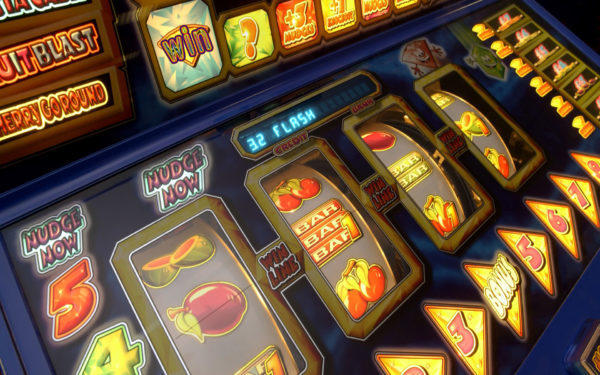
Longfu88 represents a contemporary online platform that caters to the evolving landscape of gambling. Launched in 2025, it offers a diverse range of games and betting options designed to appeal to the preferences of modern players, particularly in regions like Indonesia where gambling traditions are rich yet diverse.
With its user-friendly interface, extensive game selection, and commitment to secure gaming experiences, Longfu88 exemplifies how online gambling can integrate cultural views while providing exciting opportunities for both seasoned players and newcomers. As gambling continues to evolve, platforms like Longfu88 highlight the significance of cultural perspectives in shaping the future of the industry.