
The intriguing history of gambling From ancient practices to modern-day phenomena
The Origins of Gambling
The roots of gambling can be traced back to ancient civilizations, where rudimentary forms of betting emerged as a means of entertainment and social engagement. Archaeological evidence suggests that the practice of gambling existed in Mesopotamia around 3000 BC, with objects resembling dice discovered in excavations. These early games often involved betting on the outcome of events such as races and battles, demonstrating that the thrill of chance has long captivated human interest. Today, many players enjoy exploring casino sites not on gamstop for a broader range of options.
In ancient Rome and Greece, gambling evolved into more structured forms. The Romans enjoyed various games of chance, including dice games and betting on gladiatorial contests. The Greeks also embraced gambling, incorporating it into their cultural festivities. This historical backdrop laid the foundation for the emergence of more organized gambling establishments, gradually leading to the casinos we recognize today.
The Development of Casino Culture
The rise of dedicated gambling venues began in the 17th century with the establishment of the first official casino in Venice, Italy. The Casino di Venezia opened its doors to the public, offering a variety of games and attracting aristocrats and commoners alike. This marked a significant turning point in gambling history, as it transformed gambling from a casual pastime into a more formalized activity.
Throughout Europe, the casino culture continued to flourish, particularly in France. The French Revolution played a pivotal role in the expansion of casinos, as many noble establishments were repurposed for gambling purposes. This period also saw the invention of popular games such as roulette and baccarat, which remain staples in modern casinos worldwide. The allure of gambling in opulent settings became synonymous with glamour and excitement, drawing visitors from all corners of the globe.
The Impact of Technology on Gambling
The advent of technology dramatically changed the landscape of gambling in the 20th century. The introduction of electronic gaming machines in the early 1900s revolutionized the industry, providing a new avenue for players to engage with games of chance. As slot machines gained popularity, casinos adapted their offerings to include these thrilling devices, leading to an increase in revenue and player participation.
With the rise of the internet in the late 20th century, online gambling emerged as a significant phenomenon. Virtual casinos offered players the convenience of gaming from their homes, expanding accessibility and variety. This technological shift not only changed how games were played but also prompted regulatory changes, necessitating the establishment of legal frameworks to ensure fair play and protect consumers.
The Modern Gambling Landscape
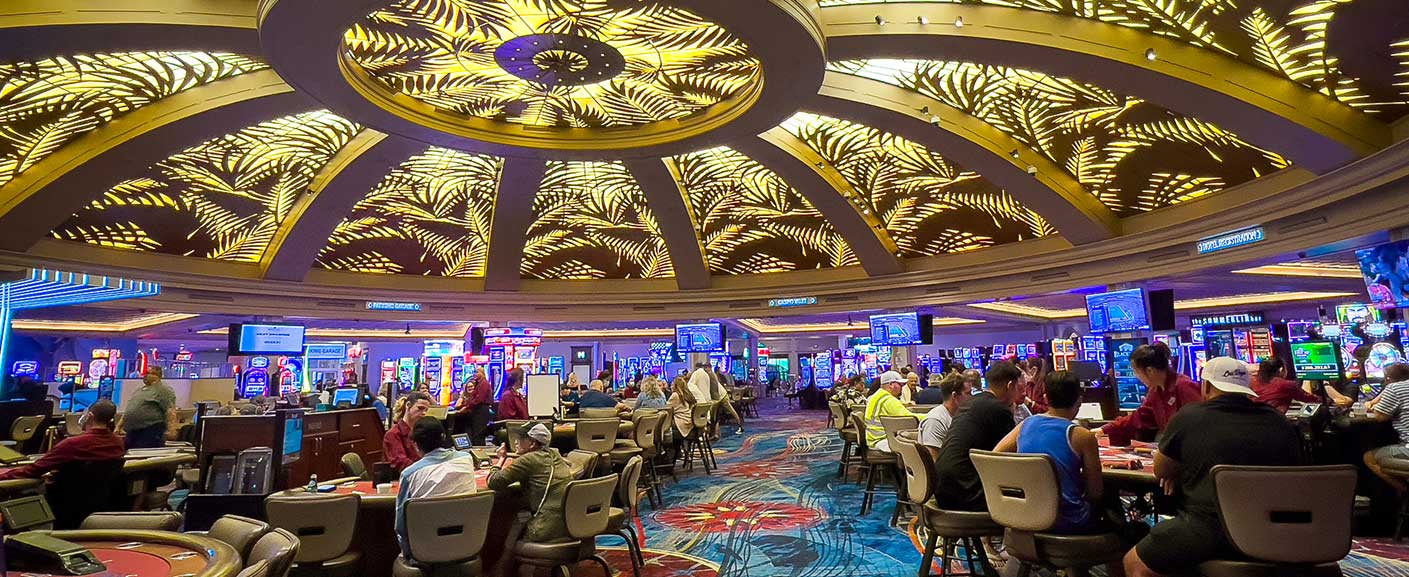
Today, the gambling industry is a multi-billion-dollar enterprise that spans across the globe. From luxury casinos in Las Vegas to online platforms that offer a myriad of games, the industry has diversified to cater to varying tastes and preferences. Additionally, the integration of mobile technology has allowed for on-the-go gaming, further enhancing the accessibility and appeal of gambling.
The modern gambler has a plethora of options, including sports betting, poker rooms, and live dealer games, each designed to provide an immersive experience. Furthermore, the advent of cryptocurrency has begun to reshape transactions within the gambling space, offering greater anonymity and security for players. As the industry continues to evolve, the intersection of technology and gambling remains a focal point for future developments.

Looking Ahead: The Future of Gambling
As we look to the future, the gambling industry is poised for continued transformation. Innovations in virtual reality and augmented reality promise to create even more immersive gaming experiences, drawing in new generations of players. Additionally, regulatory changes in various regions may open up new markets, further expanding the industry’s reach.
Understanding the complexities and dynamics of gambling can empower players to make informed decisions. By remaining aware of the historical context and modern developments, enthusiasts can navigate this fascinating world with greater confidence and enjoyment. For those seeking detailed insights and information on the latest trends in the gambling landscape, exploring dedicated platforms can provide valuable resources and guidance.